White Hat SEO Link Building and High Quality SEO Services begin with maintaining a pristine, structurally sound, and zero-spam backlink graph. In the highly competitive 2026 search engine optimization landscape, building new backlinks is only half of the organic ranking equation; actively defending and auditing your existing link profile is the critical second half. As your domain authority grows and your website captures lucrative Top 3 rankings in Google SERPs, your domain inevitably becomes a magnet for automated web scrapers, low-quality spam bots, and occasionally, deliberate negative SEO attacks from unscrupulous competitors. If toxic, manipulative, or de-indexed referring domains accumulate within your link graph without remediation, Google’s SpamBrain AI and Core Update evaluators can apply algorithmic dampening, suppressing your keyword rankings across the board. Implementing a routine, forensic backlink auditing protocol is an indispensable practice for preserving your digital real estate and ensuring continuous organic growth.
1. Why Routine Backlink Auditing is Mandatory in 2026
The assumption that Google automatically ignores all bad backlinks without penalty is a dangerous SEO misconception in 2026. While Google’s algorithms are increasingly adept at discounting random, low-level comment spam, large-scale accumulations of toxic link patterns still trigger automated quality filters and manual webspam reviews. Conducting a comprehensive backlink audit every 60 to 90 days provides three vital defensive benefits:
- Preventing Core Update Devaluation: Google Core Updates frequently target domains with unnatural link profiles, such as excessive exact-match anchor text or links from penalized blog networks. Identifying and neutralizing these patterns before an update rolls out ensures your site remains insulated from traffic collapses.
- Reclaiming Lost Link Equity: High-authority editorial backlinks acquired years ago can quietly break due to 404 errors, URL structure changes, or webmaster redesigns. A structured audit identifies broken inbound links so your team can execute 301 redirects and reclaim valuable link juice.
- Neutralizing Negative SEO Attacks: In ruthless verticals like iGaming, crypto, and affiliate finance, competitors may execute negative SEO attacks by blasting your domain with thousands of foreign-language adult or casino spam links. Immediate identification and disavow submission severs the algorithmic association before your rankings suffer.
2. The 4-Step Forensic Backlink Auditing Protocol
At SeoGeko, our engineering team executes a standardized, 4-step forensic auditing protocol for every enterprise client undergoing our E-E-A-T and technical SEO review. This systematic framework leaves zero toxic links undetected:
- Data Aggregation & Merging: No single SEO tool crawls the entire web. We export raw referring domain lists from Google Search Console, Ahrefs, Majestic, and Semrush, merging the datasets into a unified master link graph to eliminate blind spots.
- Algorithmic Toxic Spam Filtering: We analyze the master list against critical algorithmic toxicity indicators. We flag domains exhibiting spam scores above 40%, sudden traffic collapses, irrelevant foreign language TLDs (e.g., Russian `.ru` or Chinese `.cn` spam pointing to an English SaaS site), and exact-match commercial anchor text overload.
- Manual Editorial Review of High-DR Domains: Automated metrics can be misleading; a site with a Domain Rating of 60 might actually be a repurposed, expired domain hosting spammy casino articles. Our technical auditors manually inspect top referring domains to verify editorial authenticity, real organic traffic, and clean outbound linking patterns.
- Actionable Remediation Classification: Every flagged domain is categorized into one of three remediation buckets: **Retain** (healthy, beneficial links), **Reclaim** (broken or lost high-value links requiring outreach/redirects), or **Disavow** (toxic, manipulative, or spammy links requiring removal).
3. Identifying Algorithmic Toxicity Indicators
During a forensic link audit, differentiating between harmless low-authority citations and actively destructive backlinks is essential. Removing beneficial links can hurt your rankings just as much as leaving toxic links in place. Our engineering team flags backlinks that display the following high-risk algorithmic warnings:
• De-Indexed Referring Domains: If a referring domain is completely missing from Google’s index (verified via a `site:example.com` search), it has likely suffered a manual penalty or algorithmic de-indexation. Links from de-indexed networks must be severed immediately.
• Unnatural Anchor Text Concentrating: If your audit reveals an unnatural spike in exact-match commercial keyword anchors that pushes your total ratio above the safe 5-10% threshold, those specific referring links must be diluted or disavowed to restore safe anchor text distribution ratios.
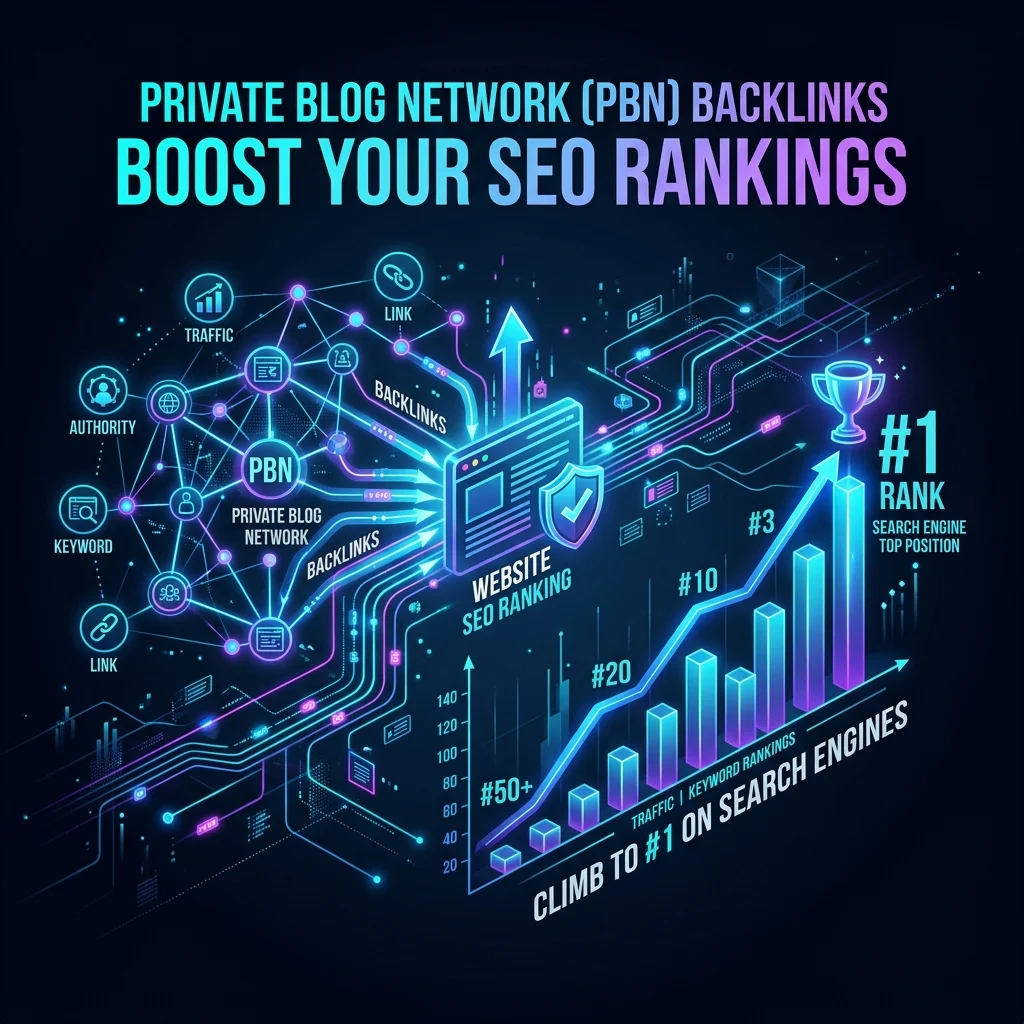
• Link Farm & PBN Footprints: Links originating from open-submission guest post farms, sites with public "Write For Us" badges and zero editorial standards, or poorly disguised PBNs operating on shared IPs with spun content represent extreme algorithmic risk under Google's 2026 SpamBrain AI.
4. Executing a Surgical Google Disavow Protocol
Once your list of toxic referring domains is compiled, executing a clean disavow submission through Google Search Console is the final protective step. However, the Google Disavow Tool is an advanced instrument that must be handled with surgical precision:
- Always Disavow at the Domain Level: Never disavow individual page URLs (e.g., `disavow: http://spam.com/page1.html`). Spam networks constantly generate new dynamic URLs. Always use the domain-level directive (e.g., `domain:spam.com`) to block the entire referring domain and all current or future subdomains.
- Format the Disavow File Cleanly: Prepare a clean ASCII or UTF-8 encoded `.txt` file. Include detailed internal comments prefixed with the `#` symbol documenting why specific networks were disavowed (e.g., `# Disavowed on 2026-07-27 due to foreign language scraper spam`), ensuring clear historical documentation for future audits.
- Do Not Touch Healthy Lower-Tier Links: Never disavow legitimate Tier-2 or Tier-3 links pointing to your Tier-1 guest posts. The disavow tool should only be used for toxic links pointing directly to your primary money domain.
5. Case Study: Rescuing a E-Commerce Store from Negative SEO
In August 2025, a thriving online dietary supplement retailer experienced a sudden 40% decline in organic traffic and received a Google Search Console warning regarding unnatural incoming links. A forensic audit by SeoGeko revealed that the domain was the victim of a coordinated negative SEO attack: over 3,500 spammy referring domains from automated scraper networks and hacked adult forums had begun linking directly to their top product pages using exact-match anchors over a 14-day window.
We executed an immediate 72-hour emergency remediation protocol. We compiled a comprehensive, 3,500-domain disavow file and submitted it through Google Search Console. Simultaneously, to signal positive, trusted entity growth to Google’s classifiers, we launched a rapid White Hat Backlink campaign, securing 20 high-authority editorial mentions on verified health, wellness, and fitness publications.
Within 30 days of processing the disavow file and indexing the new editorial placements, Google lifted the algorithmic suppression. The client’s domain not only recovered its lost 40% traffic but reached new ranking highs by Month 3, driving an additional $110,000 in monthly organic supplement sales and validating the protective power of routine link auditing.
6. Conclusion & Next Steps
In the complex 2026 search landscape, a pristine backlink profile is your domain's most valuable asset and its first line of defense against algorithmic penalties. By conducting routine forensic audits and executing surgical disavow protocols, your brand can protect its rankings and build enduring digital authority. If your domain has experienced unexplained ranking drops or requires a comprehensive link profile audit, explore our Professional Link Building Services or connect with our forensic SEO engineers directly via WhatsApp or Telegram for a confidential review today.