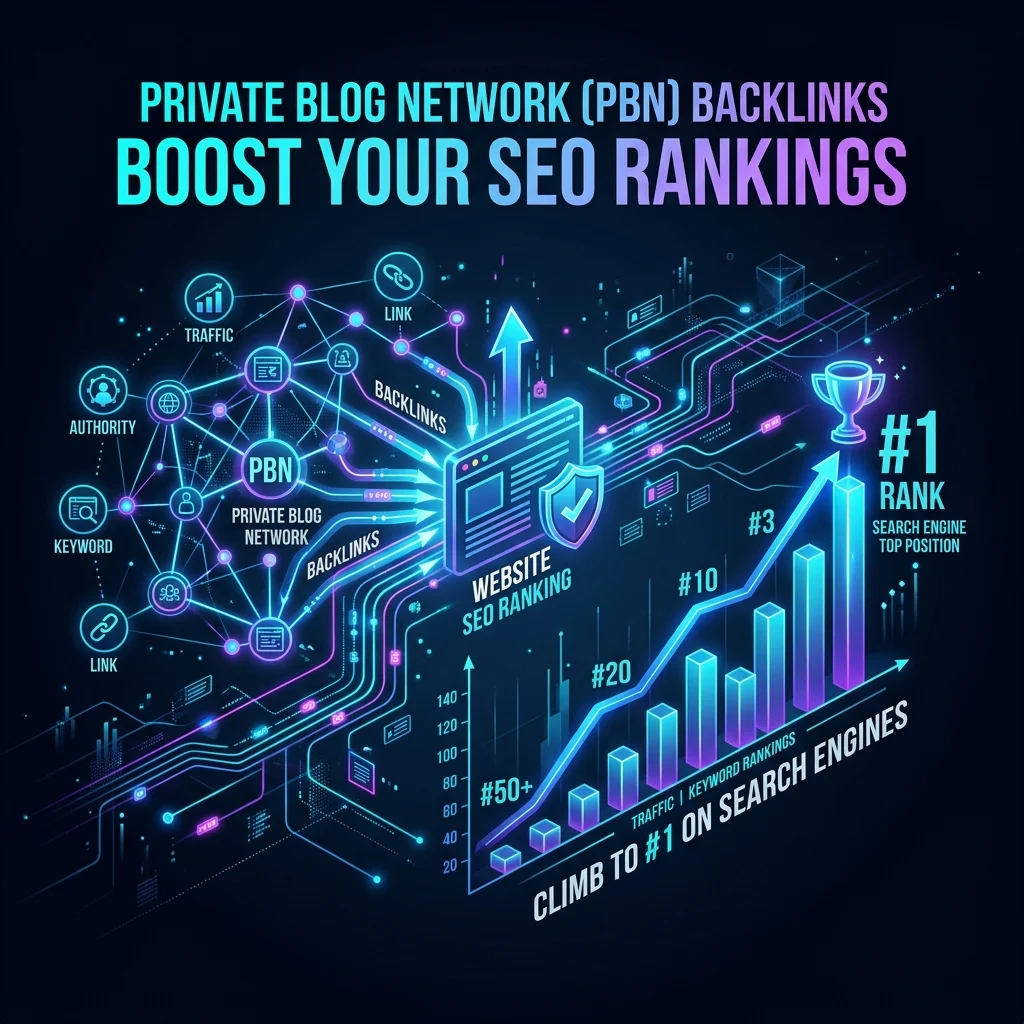
Professional Backlink Service and Organic Backlink Services achieve their maximum keyword ranking velocity when deployed within a structured, multi-tiered link architecture. In standard, single-layer link building campaigns, webmasters acquire a backlink on a Domain Rating (DR) 50 or 60 publication pointing directly to their money site. While this initial Tier-1 placement provides foundational domain trust, its actual Page Rating (PR or UR) is frequently near zero because that newly published article page has no backlinks of its own pointing to it. In the 2026 Google search landscape, where algorithmic competition is fierce and top ranking positions require massive authority signals, standalone backlinks leave up to 80% of their potential ranking power untouched. Enter **Tiered Link Building**—the advanced architectural engineering methodology of supercharging your Tier-1 backlinks by systematically building Tier-2 and Tier-3 link pyramids directly to them.
1. The Flywheel Physics of Tiered Link Amplification
The foundational principle of tiered link building is authority consolidation and risk isolation. By directing secondary and tertiary backlink campaigns to your referring Tier-1 guest posts and PBN articles rather than your money site, you create a compounding authority flywheel that competitors cannot easily reverse-engineer or replicate:
- Exploding Page-Level Authority (PR/UR): When you point 15 to 25 contextual Web 2.0 properties, editorial syndication links, and niche directory citations (Tier 2) directly to a guest post on an industry news portal (Tier 1), the Page Rating of that specific article page skyrockets from zero into the 20s or 30s.
- 100% Authority Gain with 0% Direct Risk: Because your primary commercial money site is only linked from the high-DR, fully vetted Tier-1 domain, your website reaps the full, concentrated benefit of the amplified link juice without exposing your domain to any direct algorithmic scrutiny from lower-tier link networks.
- Indexing Acceleration: Third-party editorial sites publish hundreds of articles daily; without external links pointing to your specific guest post, Google crawlers may only revisit that page once every few months. Tier-2 and Tier-3 link pyramids force search engine bots to continuously crawl and re-index your Tier-1 placement, ensuring rapid authority transmission.
2. The 3-Tier Architecture Blueprint for 2026
Executing a tiered link building strategy requires strict architectural discipline. Mixing tiers or utilizing sloppy automation can compromise the integrity of the entire structure. Our engineering team adheres to a rigid 3-tier pyramid framework for every enterprise campaign:
- Tier 1 (The Money Armor): These are the only backlinks that point directly to your money website. Tier-1 consists exclusively of high-authority, manually vetted placements such as editorial guest posts, premium digital PR citations, and our proprietary SEO Link Building Services PBN networks. Every domain must possess a clean history, organic traffic, and strict relevancy to your niche.
- Tier 2 (The Authority Amplifiers): Tier-2 links point exclusively to your Tier-1 article pages—never to your money domain. For this layer, we utilize high-metric Web 2.0 blogs (Medium, LinkedIn articles, Substack), contextual niche directory submissions, and secondary PBN domains. These links pass significant link equity into your Tier-1 placements while buffering your site from algorithmic noise.
- Tier 3 (The Crawler Accelerator): Tier-3 links point exclusively to your Tier-2 placements. At this foundational layer, we deploy high-volume social bookmarks, RSS syndication feeds, blog comment citations, and pinging protocols. The sole objective of Tier 3 is to generate intense crawler velocity and indexing signals that push bots upward through the pyramid.
3. Engineering Rules for Safe Tiered Campaigns
To prevent algorithmic footprints and ensure complete compliance with Google’s 2026 spam detection classifiers, your SEO team must enforce three immutable engineering rules when constructing link pyramids:
Rule 1: Absolute Tier Isolation: Never cross-link between tiers. A Tier-2 domain should never link directly to your money site, and a Tier-3 property should never link directly to a Tier-1 placement. Keep the flow of authority strictly linear: Tier 3 → Tier 2 → Tier 1 → Money Site.
Rule 2: Aggressive Anchor Text Flexibility at Tier 2: While your Tier-1 links must strictly adhere to safe anchor text distribution ratios (50% branded, 10% exact match), you can safely deploy up to 30% exact-match commercial keyword anchors at Tier 2. Because you are linking to a third-party news domain, that site can effortlessly absorb the aggressive anchor density while passing pure topical relevancy to your placement.
Rule 3: Chronological Pacing & Delay: Never build all three tiers simultaneously. Once your Tier-1 placement is published, allow a mandatory 7 to 10-day maturation window before initiating Tier-2 link building. Allow another 7 days before firing Tier-3 crawler campaigns. This staggered timeline mimics natural viral syndication.
4. Advanced Indexing Protocols & API Emulation
A multi-tiered link architecture is entirely ineffective if search engine crawlers fail to index the underlying tiers. In 2026, standard sitemap pinging is no longer sufficient for indexing lower-tier Web 2.0 properties and syndication links. At SeoGeko, our engineering team deploys a proprietary indexing protocol combining three methodologies:
- Google Indexing API Emulation: We utilize authorized Cloudflare Workers and service accounts to submit Tier-1 and high-value Tier-2 URLs directly to Google's real-time indexing pipeline, achieving initial crawl verification within 24 hours.
- Tiered RSS Syndication: Tier-2 and Tier-3 URLs are bundled into dynamic RSS XML feeds and syndicated across major authority aggregators (Feedly, Flipboard, NewsBlur), attracting daily organic bot crawls.
- Social Entity Engagement: We route social signals from aged Pinterest, Twitter/X, and Reddit accounts to Tier-1 placements, validating the editorial authenticity of the referring article in Google's social graph.
5. Case Study: 400% Authority Growth for an Affiliate Portal
In Q3 2025, a consumer electronics affiliate portal approached SeoGeko with a stalled backlink campaign. Over six months, they had acquired 40 expensive guest posts on DR 60+ tech blogs, yet their money pages remained frozen on Page 2 for high-converting terms like "best 4k OLED monitors." An inspection of their referring guest posts revealed that 36 out of 40 articles had a Page Rating of 0 and zero incoming backlinks.
Rather than buying more expensive Tier-1 guest posts, we initiated a 60-day Tiered Authority Amplification campaign. We built 15 contextual Tier-2 links pointing to each of their 40 existing guest posts (600 Tier-2 links total), backed by 2,000 Tier-3 crawler citations. Within 45 days, the average UR/PR of their referring guest post pages increased from 0 to 24. Powered by this surge in incoming link juice, the client's money domain surged from DR 28 to DR 49, and their target keyword jumped from position #14 to #2 in Google SERPs, increasing affiliate revenue by 380%.
6. Conclusion & Next Steps
In the competitive 2026 search arena, building single-layer backlinks is an incomplete strategy. By deploying a disciplined 3-tier link architecture, your brand can unlock the full, compounding ranking power of every editorial placement while maintaining absolute algorithmic safety. To integrate automated tiered engineering into your SEO roadmap, explore our Quality Backlink Service plans or connect with our technical campaign directors directly via WhatsApp or Telegram for a customized link architecture audit.